Institutional Overview

About Intangible Heritage Sri Lanka

A national institution dedicated to safeguarding, scientific documentation, and living practice of Sri Lanka’s intangible cultural heritage — traditional visual arts, crafts, sacred brassware, ritual masks, Hela Wedakama healing wisdom, cultural landscapes, and sacred festival pageantry.
Our Genesis & Mandate

Safeguarding Living Memory and Sacred Arts

Founded in 2008 by a council of cultural scholars, hereditary physicians (Wedamahathwaru), and archaeological curators, Intangible Heritage began as a nationwide initiative to rescue deteriorating palm-leaf (Puskola) manuscripts and rare ceremonial implements like the Thel Thulāva oil vessel.

Over the years, this vital preservation mandate expanded to embrace the full spectrum of Sri Lanka’s intangible cultural heritage: supporting hereditary craft guilds in the Dumbara valley, master woodcarvers in Ambalangoda, traditional brass founders in Pilimathalawa, temple mural conservators, and custodians of sacred festival processions like the Kandy Esala Perahera.

Working in synergy with national universities and UNESCO intangible cultural heritage frameworks, we bridge historical scholarship with living communities, ensuring Sri Lanka’s cultural heritage thrives for future generations.

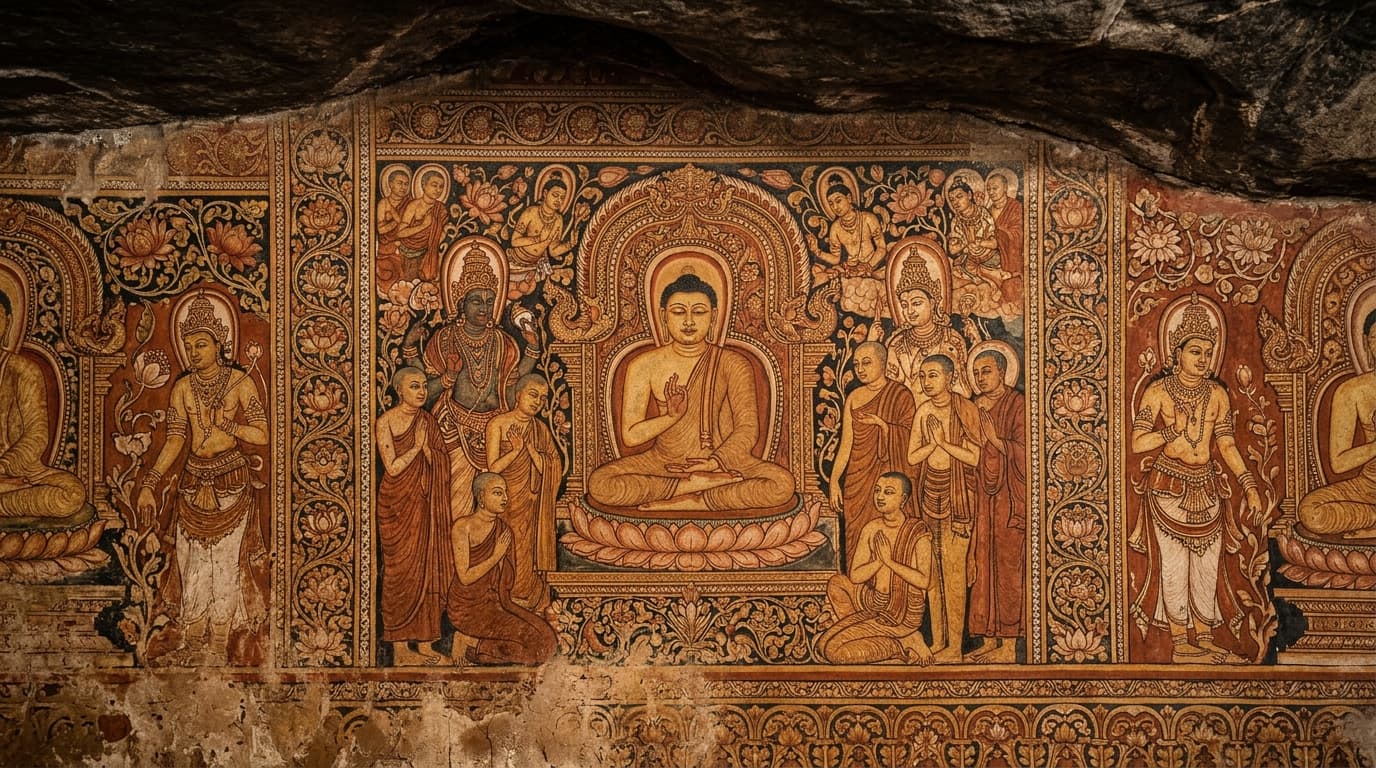
Traditional Sri Lankan temple murals
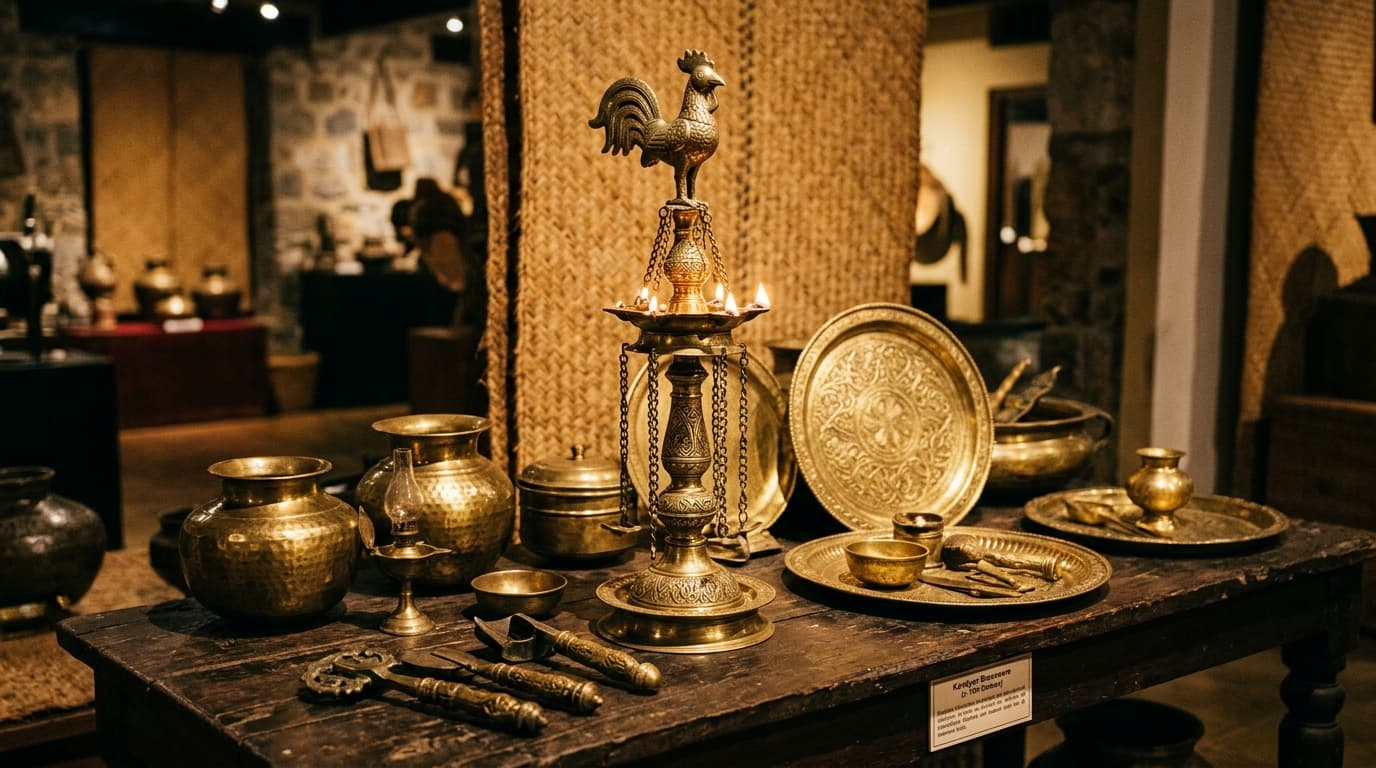
Antique Sri Lankan brassware
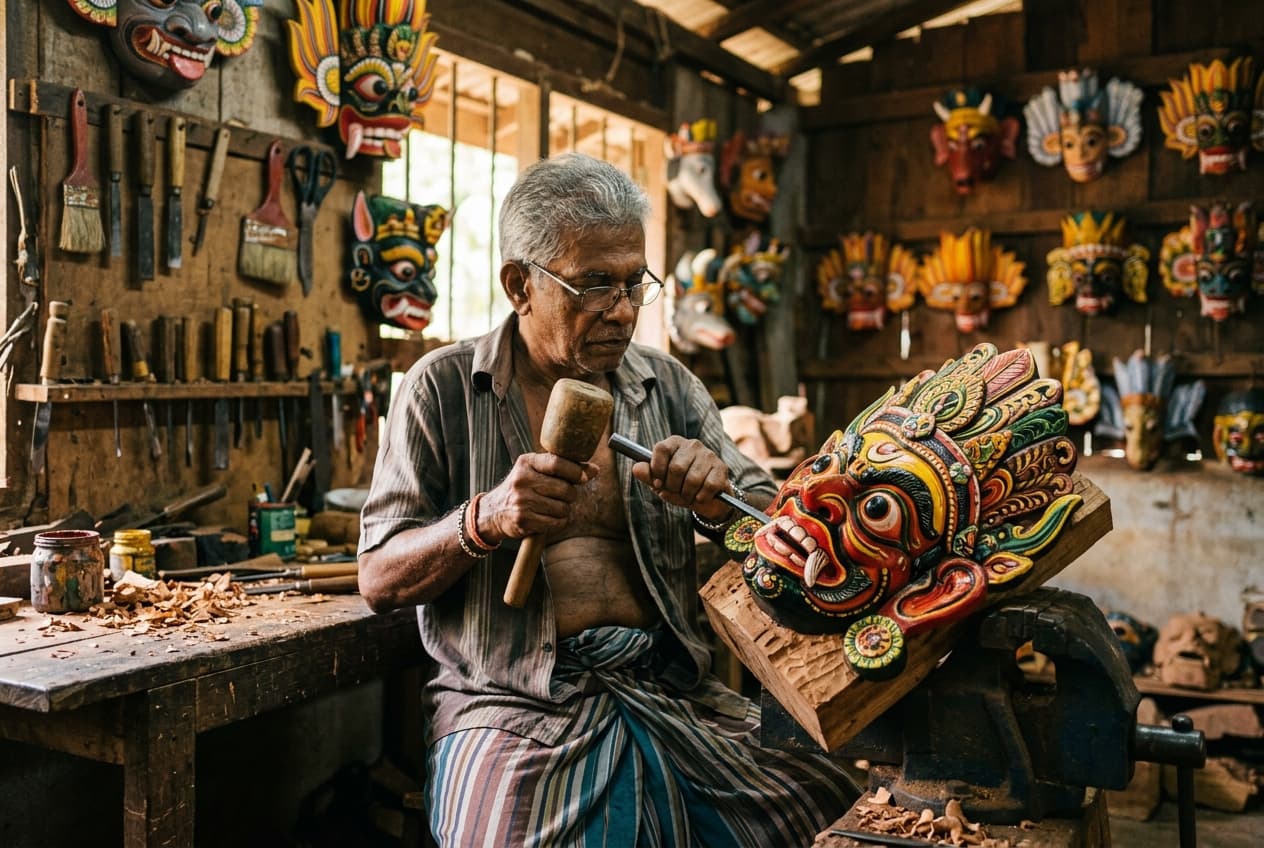
Traditional mask carving
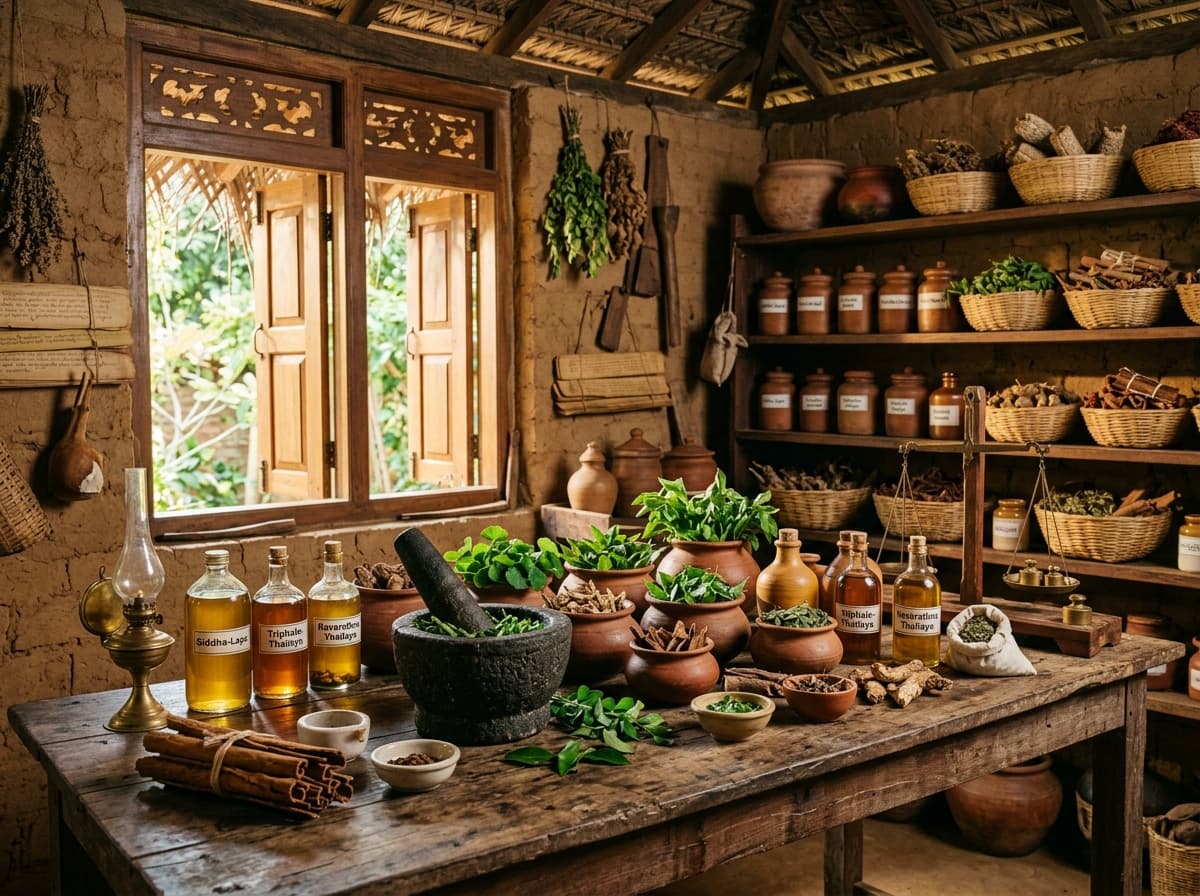
Hela Wedakama traditional healing

Our Mission

To scientifically document, conserve, and revitalize Sri Lanka’s traditional arts, master crafts, brassware, masks, indigenous medical wisdom (Hela Wedakama), and sacred cultural landscapes, ensuring generational knowledge remains vibrant, verified, and accessible worldwide.

Our Vision

A global landscape where Sri Lanka’s living cultural treasures, indigenous science, and sacred arts are celebrated, safeguarded, and recognized as an invaluable heritage of humanity.

Our Core Values

Scientific Integrity · Respect for Hereditary Masters · Sustainable Craft Ecology · Rigorous Archival Standards · Intergenerational Transmission · Community Empowerment and Ethical Cultural Preservation.

Seven Domains of Sri Lankan Cultural Heritage

Recognized under UNESCO intangible cultural heritage frameworks, these seven domains represent the living soul and artistic genius of Sri Lanka.

🎨

Art & Classical Murals

Preserving 5th-century Sigiriya frescoes, rock-cut Dambulla murals, and Kandyan-era mineral pigment painting traditions.

🧵

Crafts & Living Guilds

Safeguarding hereditary crafts: Dumbara reed mat weaving, Kelaniya terracotta pottery, handloom textiles, and wood carving.

🪔

Brassware & Metallurgy

Conserving historical brass casting, ceremonial oil lamps (Pahana), ritual trays, and lost-wax metallurgical knowledge.

🎭

Masks & Ritual Theatre

Documenting Kaduru wood carving, Ambalangoda folk masks, Raksha protector masks, Kolam drama, and healing Sanni Yakuma traditions.

🌿

Ayurveda & Hela Wedakama

Safeguarding 2,500 years of indigenous medicine, King Buddhadasa’s manuscripts (Puskola Poth), Thel Thulāva vessels, and herbal pharmacopeias.

🏞️

Heritage Landscapes

Safeguarding historical cultural landscapes: ancient hydraulic cascade tanks (Wewa), Sigiriya water gardens, and Ritigala forest sanctuaries.

🥁

Perahera & Festival Rituals

Documenting the living pageantry of the Kandy Esala Perahera, sacred tooth relic processions, ritual drumming, and island folk celebrations.

Scholarly Leadership

Advisory Council & Board

Comprising foremost cultural historians, Ayurvedic doctors, university professors, and heritage conservationists.

PA

Prof. Ariyasena Wickramarachchi

Executive Director & Cultural Historian

D(

Dr. (Wedamahathmaya) K. B. Rathnayake

Head of Traditional Pharmacopeia & Hela Wedakama

DM

Dr. Manel Hettiarachchi

Senior Curator of Cultural Archaeology & Metallurgy

VM

Ven. Medhananda Thero

Director of Palm-Leaf Manuscript Conservation